

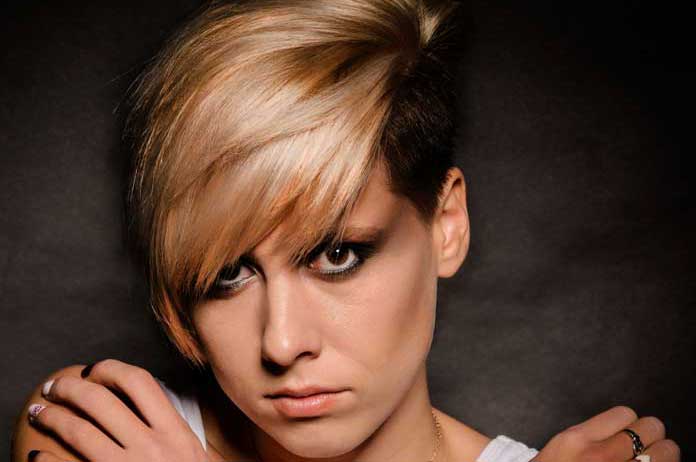
It’s time for an upgrade. The years come and go but certain hairstyles seem to stand the test of time. While long locks were all the rage for so long, 2024 is shaping up to be the year of chic short hairstyles. Sharp bobs, wispy pixies, and modern shags are stealing the spotlight on runways and red carpets alike. Celebrity stylists and top designers are touting the transformative power of a fresh short ‘do. Ditching length is swapping low-maintenance for high-impact.
There is a reason short haircuts have experienced such explosive growth in popularity – they exude confidence, edge, and empowerment. So if you’re ready to shake things up, embrace your features, showcase your face and neckline, and make a statement, keep scrolling to discover our edit of the bounciest, sassiest, most flattering short haircuts that will have you turning heads all season long.
Chic short hairstyles trend
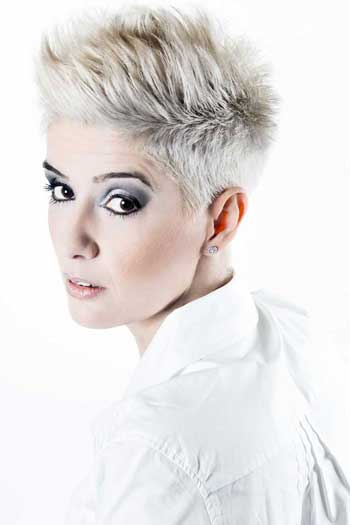
has grown in popularity because it can be styled with a wide variety of hair textures, lengths, and colors.
– Chic short hairstyles are perfect for those who want to keep their style fresh without making any major changes such as cutting or dying their hair too often.
– If you have curly hair and need some versatility but don’t want to cut your locks then chic short haircuts are the solution! And if you’re not sure about what color will suit you best – why not experiment? A new haircut could change your whole look!
We recommend trying out an undercut to create volume on top while framing the face beautifully. This subtle variation would work well with most people’s natural waves or curls, especially since this may help
The Bob
– The bob haircut can be a great choice for people who want to keep their hair short without sacrificing too much volume.
– A blunt cut at the back and sides make this style look modern, while longer layers on top provide plenty of bounce making it perfect for anyone with fine or thinning hair.
We recommend keeping your bangs long enough that they frame your face nicely – but not so long that you have trouble styling them in the morning!
Chic Short Hairstyles are popular because they’re easy to maintain, versatile (you can change up styles very easily), and don’t require as much commitment.
Side-swept Bangs
– The Side Swept Bangs is a perfect choice for women who want to keep their hair short but still have the option of wearing it in front.
– This is also an excellent style if you’re self-conscious about your forehead and would like to minimize this area by sweeping long bangs across one side of your head or another.
We recommend keeping the length on top shorter than usual so that there’s something left to sweep over – don’t worry, you’ll be able to change up styles very easily!
Pixie Cut
– The Pixie Cut is a perfect choice for women who want to keep their hair short and still have the option of wearing it in front.
The length on top can be worn long, styled into an updo (or ponytail), or cut shorter to make maintenance easier if you’re self-conscious about your forehead like we mentioned earlier!
We recommend having some length left on top so that this style will work well with any other styles you may choose down the road – don’t worry, there’s plenty of versatility here too!
Gallery #2












Short Hair Photo Gallery > 1 – 2 – 3 – 4 – 5 – 6 – 7 – 8 – 9 – 10 – 11 – 12 – 13 – 14 – 15 – 16 – 17
Short and Sassy for the summertime
With summer in full swing, there’s nothing better than rocking a shortcut that stays cool and chic even when you’re not. For those with shorter hair lengths, it can be hard to find the perfect hairstyle while still getting salon-quality locks.
In this post, I’m going to cover some of my favorite styles for women who want their hair to look great without sacrificing length! Check out these five looks:
Braids (long or short) are perfect because they keep your strands healthy by preventing breakage and damage from heat styling products like hairspray or gel. Braided cuts also look super fun and flirty so if you need something new to spice up your style then braids may just do the trick! If
Conclusion
As we complete this exciting journey of exploring the chic short hairstyles that are set to take 2024 by storm, it’s clear that the future is all about embracing unique and bold looks. From the edgy pixie cuts to the classic bob with a modern twist, there is no limit to how you can elevate your look with a fresh and stylish short hairstyle. Whether you’re looking to stand out in a crowd or simply want to revamp your current look, these trends are sure to inspire you and give you the confidence to rock any occasion.
Take a chance and try out one of these amazing styles today! With endless possibilities, your hair will be your ultimate fashion statement. As we say goodbye for now, make sure to bookmark this page for future reference and stay tuned for more exciting updates on hair trends! It’s time to unleash your inner diva and embrace the power of short hairstyles!
——————–
Just added new photo
 |  |  |
 |  |  |