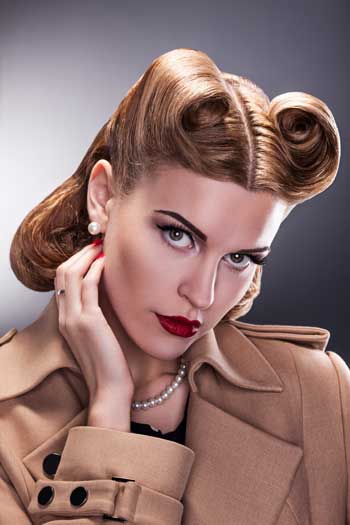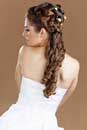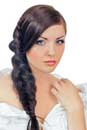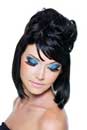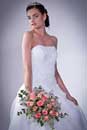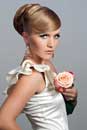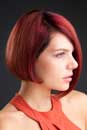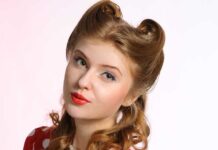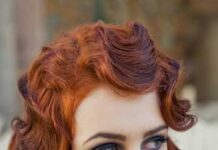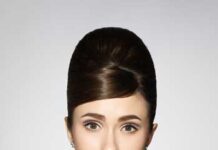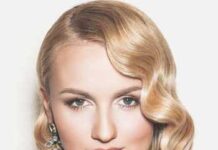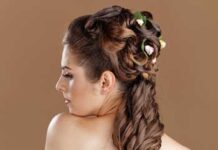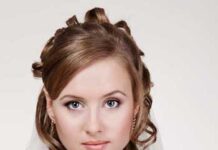

Woman modeling classic retro waves representing timeless vintage hairstyles.

Old Hollywood never goes out of style. From red carpets to Instagram feeds, vintage hairstyles continue to captivate with their elegance and drama. But recreating these iconic looks at home can feel intimidating—especially when you’re staring at a tutorial that skips over the technical details.

The truth? Vintage styles aren’t as complicated as they look. With the right technique and a few professional tricks, you can master finger waves, victory rolls, and Hollywood glamour without a cosmetology license. I’ve spent years perfecting these looks in the salon, and I’m breaking down exactly how to achieve them—from the precision of 1920s waves to the volume of a 1950s beehive.

This guide covers three decades of iconic hairstyles, the essential tools you’ll need, and how to adapt vintage silhouettes for everyday wear. Let’s get started.

A

The 1920s: Finger Waves and the Faux Bob

Verify your facial geometry here

The Roaring Twenties introduced a rebellious new aesthetic: short, sleek, and unapologetically bold. Finger waves became the signature style of the era, creating S-shaped curves that hugged the scalp with architectural precision.

How to Create Finger Waves

Finger waves require patience and a strong-hold product. Here’s the step-by-step:

Start with damp hair. Cleanse and towel-dry until slightly damp—not soaking wet. Apply a golf ball–sized amount of Oribe Grandiose Hair Plumping Mousse from roots to mid-lengths for grip and definition.

Section and comb. Part your hair where you want the waves to begin (typically a deep side part). Using a fine-tooth comb, smooth one section flat against your head.

Form the first wave. Place your index finger flat on the hair, about an inch from the hairline. Using the comb, push the hair forward to create a ridge. Hold the ridge in place with your middle finger while you comb the next section in the opposite direction.

Repeat in reverse. Continue alternating the direction of each wave, securing each ridge with a metal clip as you go. The key is consistency—each wave should mirror the last in size and depth.

Set and dry. Once all waves are clipped, mist with Moroccanoil Luminous Hairspray Strong and let air-dry (or use a hooded dryer on low heat for 45 minutes). Remove clips only when hair is completely dry.

Pro tip: If your hair is fine or slippery, mix a quarter-sized dollop of Bumble and bumble Sumotech with your mousse for extra hold.

The Faux Bob Technique

Don’t want to commit to short hair? The faux bob gives you that 1920s flapper vibe without scissors.

Gather your hair at the nape and roll it under, tucking the ends beneath. Secure with bobby pins in an X-formation for maximum stability. Smooth the top layer over the roll, then finger-wave the front sections as described above. Finish with a jeweled headband or feathered clip for authentic Jazz Age glamour.

The 1940s: Victory Rolls and Pin-Up Perfection

The 1940s brought structure and femininity back to hairstyling. Victory rolls—those signature barrel-shaped curls framing the face—became a symbol of wartime resilience and style.

Step-by-Step Victory Rolls

Prep with texture. Start with second-day hair or add grip with IGK Beach Club Texture Spray. Section off a two-inch-wide piece at your hairline (on one or both sides, depending on your look).

Backcomb for volume. Tease the section at the root using a fine-tooth comb. This creates the foundation your roll needs to stay in place.

Roll it forward. Hold the section straight up, then roll it forward toward your face, creating a barrel shape. The roll should sit on top of your head, not flat against it.

Pin from beneath. Secure the roll by inserting bobby pins from the underside, pushing them through the roll and into your scalp. Use at least four pins per roll for stability.

Set and smooth. Spray with Oribe Imperméable Anti-Humidity Spray to lock in the shape, then use a paddle brush to smooth the rest of your hair into a low roll or soft curls.

The secret to authentic victory rolls? Height. The roll should stand proud, not sink into your head. If it’s collapsing, you need more backcombing and stronger pins.

Pin Curls for 1940s Waves

For softer, all-over 1940s waves, try pin curls. Section damp hair into one-inch squares, wrap each section around two fingers to form a flat coil, then pin it flat against your head. Let it set overnight (or under a dryer), then brush out gently for smooth, structured waves.

The 1950s: Beehives and Hollywood Waves

The 1950s was the decade of glamour. Think Grace Kelly’s polished waves and Audrey Hepburn’s towering beehive—styles that demanded volume, shine, and impeccable structure.

The Classic Beehive

The beehive is all about height and drama. Here’s how to build it:

Tease in sections. Start at the crown. Section off a two-inch horizontal piece and backcomb it from mid-length to root. Repeat this process, working your way back toward the nape.

Shape the silhouette. Once you’ve created a cushion of backcombed hair, smooth the top layer over it using a boar-bristle brush. Don’t flatten the volume—just tame the surface.

Secure the base. Gather the teased hair and twist it loosely at the nape, pinning it in place with large bobby pins. The twist acts as an anchor for the beehive.

Refine the shape. Use your hands to mold the beehive into a rounded dome. Add more pins where needed, and finish with a generous mist of Moroccanoil Luminous Hairspray Strong.

For extra polish, wrap a small section of hair around the base to conceal pins, or add a silk scarf tied at the nape.

Soft Hollywood Waves

Hollywood waves are smoother and more refined than 1940s curls. They require a large-barrel curling iron (1.5 inches) and a light touch.

Prep with heat protection. Apply Living Proof Perfect Hair Day (PhD) 5-in-1 Treatment to protect hair and add shine.

Curl in uniform sections. Take two-inch sections and wrap them around the barrel, holding for 8-10 seconds. Curl all sections in the same direction (away from your face).

Let curls cool. Pin each curl to your head as it cools—this sets the wave and prevents frizz.

Brush and sculpt. Once all curls are cool, remove the pins and brush through with a paddle brush. Use your fingers to sculpt soft S-shaped waves, pinning any unruly sections in place.

Finish with Color Wow Extra Mist-ical Shine Spray for that screen-ready glow.


Haircuts Photos Gallery

Short choppy pixie cut with textured layers for fine hair.

✂️ The Salon Script: #1 Low Maintenance Pixie Haircuts

Request a graduated nape and internal weight removal. This architecture manages high density near the occipital bone, ensuring the silhouette stays sharp. It grows out seamlessly. You get a wash-and-go shape that maintains its structural integrity.


Blunt shoulder-length bob with soft waves and a middle part

✂️ The Salon Script: #2 Cute Medium Length Haircuts

Ask for a shattered perimeter and internal ghost layers. We use point-cutting to encourage movement in fine density hair without sacrificing fullness. This creates a voluminous silhouette. It transitions from day to night with zero effort.


Woman with long dark straight hair featuring face-framing layers starting at the chin

✂️ The Salon Script: #3 Long Layered Haircuts

Request concave layering using over-direction. This maintains length while shifting weight for fluid motion. Ideal for medium porosity strands to enhance natural shine. We focus on the mid-lengths. It results in a signature high-fashion bounce.


Mature woman over 50 with soft, wispy feathered bangs and fine blonde hair.

✂️ The Salon Script: #4 Bangs Haircut for Older Women

Ask for a soft, feathered fringe with curved corners. This provides temple coverage and a youthful lift for thinning hair textures. We use point-cutting to avoid harsh lines. The brow-skimming length gracefully camouflages expression lines.


Essential Tools and Products for Retro Styles

Vintage hairstyles demand specific tools. Here’s what every retro enthusiast needs:

Styling Tools:

  • Fine-tooth rattail comb (for parting and finger waves)
  • Boar-bristle brush (smooths without destroying volume)
  • Metal sectioning clips (hold waves in place while setting)
  • Large-barrel curling iron (1.5 inches for Hollywood waves)
  • Hot rollers or velcro rollers (optional, for softer curls)

Must-Have Products:

  • Oribe Grandiose Hair Plumping Mousse (grip and definition for waves)
  • Bumble and bumble Sumotech (piecey definition and hold)
  • IGK Beach Club Texture Spray (adds grit for pin curls and rolls)
  • Moroccanoil Luminous Hairspray Strong (all-day hold without crunch)
  • Oribe Imperméable Anti-Humidity Spray (essential for humid climates)
  • Living Proof Perfect Hair Day (PhD) 5-in-1 Treatment (heat protection and shine)

Pro tip: Invest in quality bobby pins. Cheap pins slide out. Look for pins with a wavy texture—they grip better.

Adapting Vintage Styles for Everyday Wear

You don’t need a themed party to rock vintage hair. Here’s how to make retro styles work for modern life:

Soften the structure. Instead of crisp finger waves, try a loose, tousled version using a curling wand. Pin a few S-shaped sections while they cool, then brush through for relaxed vintage texture.

Downsize the beehive. Create a half-beehive by teasing only the crown, leaving the rest of your hair down in soft waves. It’s polished enough for work but still has personality.

One victory roll, not two. A single victory roll on one side, paired with loose curls or a low ponytail, feels fresh and modern.

Add modern accessories. Swap feathered clips for minimalist barrettes or velvet scrunchies. The silhouette stays vintage, but the details feel current.

The key to wearable vintage hair? Embrace imperfection. These styles don’t need to be museum-perfect to look stunning.

Why Vintage Hairstyles Still Matter

Vintage hairstyles aren’t just nostalgic—they’re a masterclass in technique. Learning to create finger waves teaches you about tension and precision. Mastering victory rolls builds your understanding of volume and structure. And perfecting Hollywood waves? That’s all about patience and finish.

These styles also remind us that hair is art. They demand time, skill, and intention—qualities that fast fashion and five-minute tutorials often skip over. When you wear a vintage hairstyle, you’re not just copying a trend. You’re honoring a craft.

Start with one decade and one look. Practice the technique until it feels natural. Then experiment, adapt, and make it your own. Old Hollywood may be timeless, but your interpretation of it doesn’t have to be.

Get My Salon Consultation Checklist