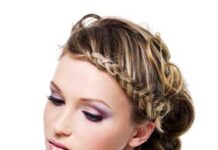

As we stride into 2024, the allure of grown out crop hairstyles continues to resonate with women seeking an intersection of ease and sophistication in their hair endeavors. This hairstyle genre, known for its distinct edge and flair, has swiftly moved from the fringes of fashion to the mainstream. Let’s unravel the reasons behind its burgeoning popularity and pinpoint the current trends that are defining this audacious look.
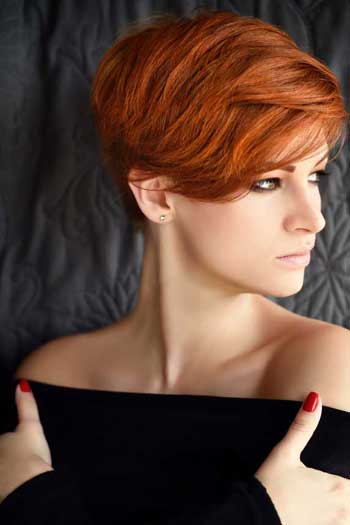
Low Maintenance
Begin your day sans the hassle of extensive hair rituals. This style’s intrinsic shape and volume mean less reliance on constant shaping and styling—a freeing reality for anyone with a fast-paced life.
Benefits of Grown Out Crop Hairstyles
Grown out crops, which typically feature a slightly longer length than the classic pixie cut, come packed with benefits that cater to the modern woman’s lifestyle and aesthetic preferences
Versatility in Styling
Don’t be deceived by the seemingly fixed nature of a crop cut; versatility is its secret power. Whether you’re in the mood for sleek and chic or tousled and textured, these styles adapt.
Edgy and Modern Look
Exude confidence with a hairstyle that speaks your language—one that’s bold, modern, and unapologetically you.
Latest Trends in Grown Out Crop Hairstyles
A natural evolution of style has brought forth trends that blend timeless elegance with contemporary zest. Here are some of the most tantalizing grown out crop hairstyles trends for 2024:
Popular photo gallery
 |  |  |
 |  |  |
 |  |  |
 |  |  |
Textured Layers
Incorporate dimension with artfully snipped layers that add movement and depth to your hair, giving it a lively dance even in the stillness of the day.
Side-swept Bangs
Bangs have made a comeback, but with a wispy, side-swept attitude that flatters the face and adds a touch of whimsy.
Bold Colors and Highlights
Make your mark with a spectrum of bold hues or the subtlety of highlights that catch the light—and perhaps even some envious glances.
Accessorizing with Hair Accessories
Perk up your crop with accessories that speak of current tendencies—think minimalist clips or a single statement piece that captures the zeitgeist.
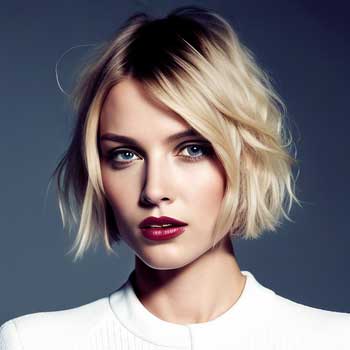
How to Style Grown Out Crop Hairstyles
Embrace a multitude of style avenues with our step-by-step guide to achieving diverse looks:
The Textured Wave: Apply a sea salt spray to damp hair, scrunch for volume, and let it air dry or use a diffuser for added body.
Sleek and Smooth: Utilize a straightener for a polished finish and crown it with a light hairspray to keep every strand in suave alignment.
Perfectly Undone: Achieve that effortless bed-head look with a dry shampoo and a bit of styling wax for hold and texture.
For these styles, we recommend lightweight serums, volumizing mousse, and flexible-hold hairsprays that maintain your style without stifling movement.
Celebrities and Influencers Rocking Grown Out Crop Hairstyles
Spotlights on the red carpet and viral Instagram posts reveal that celebrities and influencers are embracing crop hairstyles with gusto. From the daring chops of A-list actresses to the curated locks of digital fashion icons, these personalities prove the style’s broad appeal and tailorability.
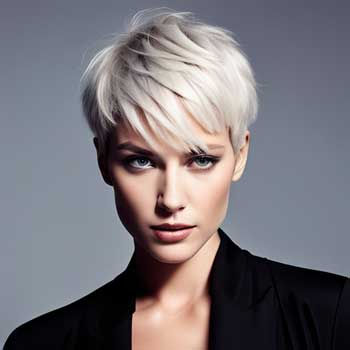
Face Shape Considerations
Crafting the perfect grown out crop hairstyles is all about tailoring the look to flatter your unique features:
Matching the Hairstyle to Different Face Shapes: Find out how this versatile cut can complement oval, square, round, and heart-shaped faces
Tips for Finding the Right Variation: Learn to customize the hairstyle’s length and layers for your most flattering look.
The textured pixie cut – A classic crop that features plenty of texture and movement is the perfect style if you want to keep your hair short but still add some edge. Textured pixie cuts suit people with oval or heart-shaped faces.
The slicked-back crop – A contemporary twist on the classic short bob, where the hair is slicked back with gel or pomade, This style is perfect if you have a round or square face.
The tousled crop – This hairstyle is perfect if you want to add some texture to your hair while keeping it short and sexy. It’s a low maintenance style that looks great on most people except for those with square faces.
The curly crop – If you have naturally curly hair, then a cropped cut is the ideal style for you. It’s easy to manage and looks great even if you leave it as it is. It’s perfect for those with round or heart-shaped faces.
The asymmetrical crop – This style is perfect if you want to keep things edgy and add a creative touch to your hair. It’s quite versatile and can suit a variety of face shapes.
Related Hairstyles Ideas
.
The blunt bob – This grown out crop hairstyles is a blunt cut and is perfect if you want to keep your hair looking sleek while still embracing the short-crop style. It suits people with oval or heart-shaped faces.
The shaggy crop – This style is perfect if you want to add some movement and texture to your short hair. It suits people with oval or heart-shaped faces.
The layered crop – A layered crop is perfect if you want to add some dimension to your hair and add a bit of edge to your look. It suits people with oval or heart-shaped faces.
The wispy crop – This style features hair that is cut into a choppy, wispy style and is perfect if you want to keep your hair short and easy to manage. It’s perfect for those with round or heart-shaped faces.
The P shape crop – This style features hair that falls into a P shape over the forehead. It’s perfect if you want to add some uniqueness to your short hair. It suits people with oval or heart-shaped faces.
The curly bob – This hairstyle is perfect if you prefer curls and want to embrace a short crop. It’s easy to manage and looks great on those with round or heart-shaped faces.
The choppy crop – This is a short hairstyle that is cut in a choppy and edgy style. It suits people with oval or heart-shaped faces.
The messy grown crop hairstyles – This style features hair that is messy and edgy and is perfect if you want to keep your hair short while still adding some texture. It suits people with oval or heart-shaped faces.
Conclusion
In conclusion, grown out crop hairstyles are the perfect way to embrace effortless style in 2024. These versatile and low-maintenance cuts offer a fresh and modern look while also allowing for easy styling options for any occasion. Not only do they provide a sense of freedom and confidence, but they also require minimal upkeep, making them a practical choice for busy individuals or those looking to simplify their beauty routine. The beauty of grown out crop hairstyles is that anyone can rock this look regardless of age or hair type.
Whether you have naturally curly, straight, thick, or fine hair, there is a variation of the grown outcrop that will suit your unique features and preferences. Additionally, these styles can be tailored to fit different face shapes and personal styles – from edgy and textured to sleek and sophisticated. Embracing the natural growth pattern of your hair is not only stylish but also empowering. By choosing to grow out your crop instead of constantly cutting it short, you are embracing your authenticity and uniqueness.
This trend goes hand in hand with the concept of self-love and body positivity which has been gaining more momentum in recent years. Why not give a grown out crop hairstyle a try? It’s a refreshing change that requires little effort yet yields impressive results. Plus, with the growing trend towards sustainability and minimalism, it’s a great way to reduce waste from constant haircuts. In 2024, let’s all embrace effortless style with our grown out crops – because being comfortable in our skin never goes out of fashion.