

From edgy to flirtatious, bangs have the remarkable ability to revolutionize a hairstyle and give it a fresh vibe. In 2024, bangs hairstyles remain a fashion-forward staple, with a twist of novelty that keeps them as relevant as ever. A fringe can frame your face, accentuate your eyes, and exhibit your unique style. Whether you’re daring or demure, there’s a bangs style out there for you.
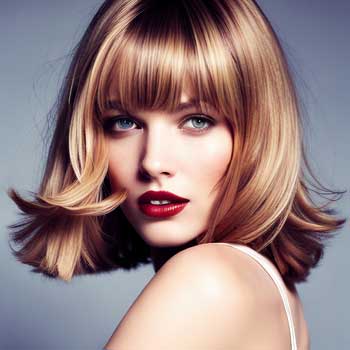
Why Bangs Hairstyles Are Still Popular
Bangs hairstyles continue to dominate the beauty scene, thanks to their incredible versatility. They work with short, medium, or long hair and can evolve with trends while retaining a timeless charm. Michelle Lee, a celebrity hairstylist, says, “Bangs are a timeless statement piece that can transform any hairstyle, adding depth and framing the face beautifully.”
The Versatility of Bangs Hairstyles
Each type of bangs can complement a look, providing an opportunity for self-expression and an instant makeover without the commitment of a full haircut. Alex Nguyen, hair artist and educator, asserts, “Bangs are incredibly versatile; they can take a look from casual to chic and can be customized to suit each individual’s style.”
Types of Bangs Hairstyles for Every Woman
Bangs come in various shapes and styles, each bringing a unique flair to one’s appearance. Let’s explore the hottest bangs hairstyles for 2024:
Blunt Bangs
For those who seek a bold statement, blunt bangs provide a sleek, powerful edge synonymous with confidence. Perfect for straight hair, they create a clean line that draws attention to the eyes.

Side-Swept Bangs
Suitable for almost any face shape, side-swept bangs are the go-to for a soft, romantic look. They blend effortlessly with layered haircuts and add a touch of sophistication.
Wispy Bangs
For a carefree and light expression, wispy bangs give off an ethereal vibe. These lightly feathered fringes are dainty and natural-looking.
Curtain Bangs
A nod to ’60s fashion, curtain bangs have made a major comeback. These parted bangs frame the face gracefully, reminiscent of the quintessential girl-next-door.
Baby Bangs
Edgy and modern, baby bangs sit high on the forehead and are a bold move for those looking to stand out. These require some bravery but can offer a unique, avant-garde chic.
Popular Photo Gallery
 |  |  |
 |  |  |
 |  |  |
 |  |  |
Face Shapes and Bangs: A Match Made in Heaven
Selecting the right bangs hairstyle involves more than just personal taste; it also depends on understanding your face shape. Jennifer Smith, a master stylist, emphasizes the significance of this match: “Understanding face shapes is crucial when choosing the right bangs. The goal is to accentuate features, not hide them.”
Here are tailored suggestions for matching bangs with different face shapes:
Oval Faces: Almost any style of bangs suits an oval face.
Round Faces: Side-swept or curtain bangs can elongate the face.
Square Faces: Soft, wispy, or rounded bangs help balance strong jawlines.
Heart-Shaped Faces: Side-swept bangs can soften the forehead width.
Long Faces: Horizontal, blunt bangs can make the face appear fuller.

Styling Tips from the Pros
Bangs require regular maintenance to keep them looking great. Here are some expert tips for styling and taking care of your bangs:
1- When blow-drying, dry your bangs first to prevent unwanted cowlicks
2- Use heat protectant products before styling with heat tools.
3- A little dry shampoo can help bangs look fresh and voluminous.
4- Trim every few weeks to maintain the desired length and shape.
Trends in Bangs Hairstyles for 2024
As we forge ahead in 2024, bangs are getting creative twists. Layered and textured fringes are in, and there’s a leaning toward natural, softer looks. To stay on-trend, look for inspiration from celebrities who often signal the next big thing in hair trends.
Swoopy Bangs

Swoopy bangs are generally long and slightly curved, giving off a sexy hairstyle that brings out the cheekbones.
Micro Bangs
Micron bangs are the smallest hair bangs on the forehead, creating a messy and edgy look. They suit face shapes that have high cheekbones and a strong jawline.
Layered Bangs Hairstyles
Perfect for those looking to add texture and dimension to their hair. Layered bangs blend well with any hair type, producing a low-maintenance hairstyle.
A-Line Bangs
A-line bangs run diagonally from one temple to the other, creating a striking look. This style highlights the eyes and works well with any hair length.
Related Hairstyles Ideas
.
Arched Bangs Hairstyles
Arched bangs sit high on the forehead, arching above the middle of the eyebrows, flattening out at the temple.
Asymmetrical Bangs
This style is refreshingly different, with one side longer than the other, adding an edge to your hairstyle.
Thick Bangs
Thick bangs are bold, framing the face and highlighting the jawline and cheekbones. They suit those with round or square face shapes.
Choppy Bangs
Choppy bangs are a style that looks messy yet stylish. They add movement to your hair.
Shaggy Bangs
Shaggy bangs create a carefree and laid-back look, perfect for the beach or any casual event.
Short Bangs with Long Hair
If you have long hair and want to add some interest, choppy short bangs can assist. This style pairs well with voluminous, bouncy waves.
Flipped-Out Bangs
This vintage-inspired style features hair that flips away from the face and blends perfectly with long or medium haircuts.
Final Thoughts
When done right, bangs can be an incredibly flattering addition to any woman’s hairstyle repertoire. With the advice from experts, a sense of your face shape, and a bit of courage to experiment, you’ll be rocking bangs like a fashion guru in no time. Embracing bangs hairstyles is about making a statement that aligns with your personality and lifestyle. So go ahead, shake things up with your hair this 2024, and enjoy the transformative power of bangs!
The bangs hairstyles trend is constantly evolving and pushing the boundaries of traditional haircuts. With the emergence of new techniques and styles, 2024 is set to bring even more unique and cutting-edge bangs hairstyles to the forefront. From bold and dramatic curtain bangs to playful micro-fringes, there is a perfect option for everyone looking to switch up their look in the coming years.
So why not take a risk and try out one of these transformative bangs hairstyles? Don’t be afraid to experiment and have fun with your hair as it is a powerful tool for self-expression. Embrace your individuality and stay ahead of the game by incorporating these cutting-edge bangs into your next hairstyle. The possibilities are endless! So go ahead and rock those bangs with confidence and style.
As we have seen, the trend for bangs hairstyles has been steadily growing in popularity over the years. 2024 is set to be an exciting time for this hairstyle as it continues to evolve and surprise us with new trends and styles. But what makes the bangs hairstyle so special? It’s versatile, it can be tailored to suit any face shape, and it adds an instant touch of style and edge to any look.
Whether you want a bold statement or a subtle change, there’s a bangs hairstyle for every individual taste and preference. So don’t be afraid to take the plunge and try out a new bangs style in 2024! Who knows, you may