
The classic mullet haircut for women has staged an extraordinary comeback, revolutionizing the beauty scene for women in 2024. With its edgy yet playful vibe, the mullet is a statement piece, a nod to self-expression, and a break from conformist styles. In this post, we dive into the modern mullet’s world, exploring why it’s no longer just a relic of the past but the hairstyle of the moment for women seeking to stand out.
What is a Mullet Haircut?
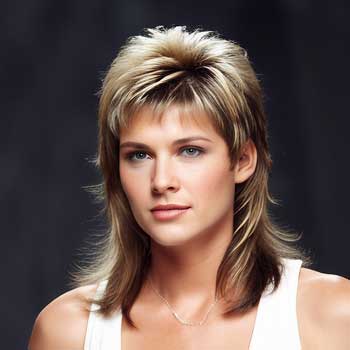
Characterized by its distinctive shorter front and sides and longer back, the mullet haircut for women deftly combines business in the front with party in the back. The mullet’s appeal lies in its amalgamation of contrasts, giving wearers a look that’s both rebellious and chic.
Historical Context
From the glam rockers of the ’70s to the pop icons of the ’80s, the mullet haircut has a storied history, each epoch adding to its legacy. The mullet transcended demographics, worn proudly by icons and everyday folk alike. Its cultural impact is undeniable, as it symbolizes an era of unapologetic individuality.
The Evolution of Mullet Haircut for Women
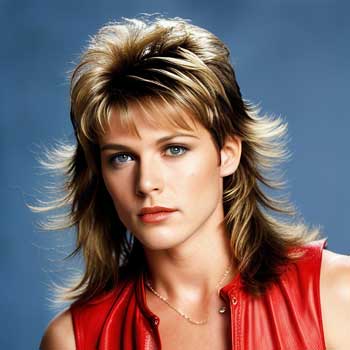
Fast forward to 2024, and the mullet has evolved from a nostalgic trend to a versatile and fashionable hairstyle for women. Modern variations offer a softer, more feminine take on the traditional cut, with choppy layers, bold color choices, and textured locks making it more adaptable than ever before.
Why Choose a Mullet Haircut in 2024?
Choosing a mullet in 2024 is choosing to step into the spotlight. It speaks to:
Expressing individuality: Mullet wearers exhibit confidence and a willingness to break away from gender norms.
Versatility and styling options: Whether you’re aiming for a sleek and polished look or a tousled and textured vibe, the mullet’s adaptability is unmatched.
Embracing a retro-inspired trend: The mullet embodies the spirit of the past while propelling wearers forward as trailblazers of fashion
How to Style and Maintain the Mullet Haircut for Women
The key to an impeccable mullet lies in styling and maintenance. Keep the cut fresh with regular trims, and employ products such as sea salt sprays or mousse to maintain texture and volume. Seek professional advice to tailor your mullet to your face shape and lifestyle for the ultimate personalized style.
Celebrities and Influencers Sporting Mullet Haircut for Women
From catwalk mavens to silver screen stars, many have flocked to the mullet. Zoe Kravitz, Miley Cyrus, and Rihanna are a few of the luminaries who have embraced the cut, each contributing to its resurgence and adding to the narrative of the mullet’s modern allure.
Related Hairstyles Ideas
.
Long Waves Mullet
This cut features long hair that tapers into shorter length at the front, creating a dramatic effect. To make it even more impressive, add waves to your locks using a curling iron or rollers.
Shaggy Mullet
This cut has layers all around, creating a shaggy look that is perfect for those who like a messy hairstyle. It works great for thin hair, creating volume and texture.
Straight Mullets
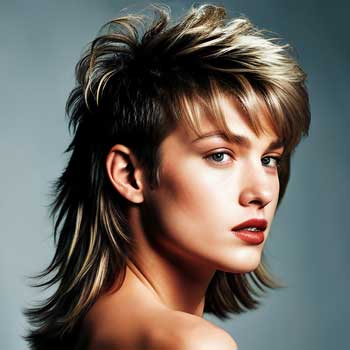
This clean-cut look has a straight fringe, providing a fierce finish. You can also add some layers to the back to create a more textured look.
Half-Up Half-Down Mullet
This hairstyle is perfect for an edgy yet casual look. Pull the front section of your hair up and clip it in place while leaving the rest to flow down. Add some waves to complete the look.
Piecey Mullet Haircut for Women: This cut features short pieces all over, creating a spiky and edgy appearance. It is a perfect fit for someone who wants to make a bold statement.
Curly Mullet
If you have natural curls, this look is a must-try. The front is kept long, while the back has shorter layers to add volume. Style the curls using a curling iron or a diffuser.
Popular Photo Gallery
 |  |  |
 |  |  |
 |  |  |
 |  |  |
Bowl Mullet
This unique cut has a bowl shape around the fringe and a classic mullet cut at the back. It works well for those with thick hair and is great for showing off your edgier side.
Colored Mullet
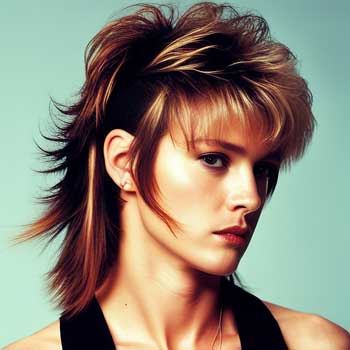
Want to make a statement with your hair? Why not add a pop of color! Vibrant shades like pink, blue, and purple look fantastic with the mullet cut.
Pixie Mullet Haircut for Women: A short and daring take on the mullet, the pixie cut is perfect for someone looking to spice things up. The fringe is kept longer, while the back and sides are cut short.
Textured Mullet Haircut for Women: This cut features layers throughout the hair, creating a textured and voluminous look. It is easy to style and can create a casual or edgy appearance.
Punk Mullet
This hairstyle is ideal for someone who wants to make an impression. The sides are shaved, and the top is cut into a classic mullet shape with a messier, punk edge.
Messy Mullet Haircut for Women: This casual and relaxed look is perfect for everyday wear. Keep the layers longer for a messier appearance and pair it with waves for ultimate style.
Bangs Mullet Haircut for Women: This cut features longer fringe, creating bangs that blend into the mullet haircut. It provides an edgy and stylish look and works well with naturally straight hair.
Modern Mullet Haircut for Women
The modern mullet combines the classic cut with contemporary styling, creating a fashionable and effortless look. Keep the hair longer on top and shorter at the back, with layered pieces throughout.
Conclusion
As the year unfolds, mullet haircuts for women will continue to be at the forefront of the cultural zeitgeist. This audacious choice represents more than just a fleeting trend; it’s a testimony to boundless self-expression and the transformative power of style. Whether it’s worn tousled, sleek, dyed or natural, the mullet haircut is undoubtedly a showstopper for any woman ready to make her mark in 2024.
Mullet haircuts embody the spirit of individualism and fashion-forward thinking. They empower wearers to defy expectations while providing a functional and refreshing look that feels as much at home in a professional setting as it does in a casual one.
Join the ranks of bold women who choose to define their style on their terms—a spectacular blend of retro and contemporary aesthetics culminating in a look that is all you. As we celebrate the sophistication and daring of the modern mullet, it becomes evident that the style’s resurgence is more than a mere hair trend—it’s a movement.