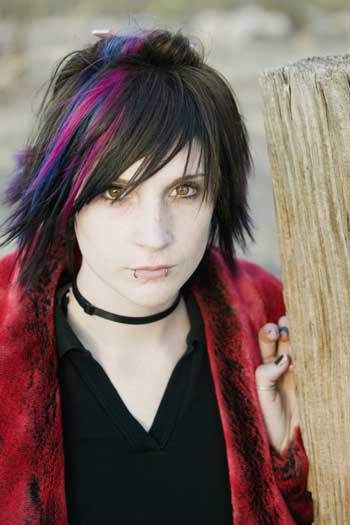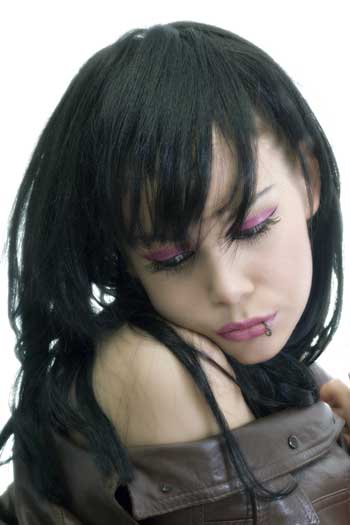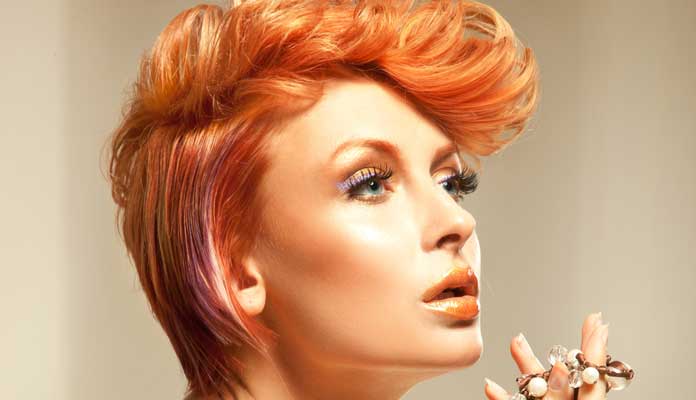

The emo aesthetic swept through music venues and MySpace profiles in the early 2000s, bringing with it a signature hairstyle that’s unmistakable even today. Characterized by choppy layers, dramatic side-swept fringe, and bold color choices, emo hair was more than just a trend—it was a form of self-expression.
Fast forward to now, and emo hairstyles are experiencing a revival. Whether you’re chasing nostalgia or discovering the style for the first time, this guide will walk you through everything you need to know about achieving and maintaining the look.
A
The Evolution of Emo Hair
Verify your facial geometry here
Emo hairstyles didn’t emerge overnight. In the mid-1990s, the “Spock rock” haircut—straight, dyed-black fringe—was popular among early emo fans. By the 2000s, this evolved into something more dramatic: flat, straightened hair with long, side-swept bangs covering one eye.
Bands like My Chemical Romance, Fall Out Boy, and Paramore defined the aesthetic. Gerard Way’s greasy, jagged layers. Hayley Williams’ signature reddish-orange fringe. Pete Wentz’s subtle spikes. Each variation shared common DNA: layers, asymmetry, and attitude.
The style became so iconic that it spilled beyond the music scene. By the mid-2000s, you’d spot side-swept fringe everywhere from suburban high schools to red carpets.
Today’s emo revival carries the same energy but with modern refinement. The choppy layers remain. The deep side parts stay. But now, there’s more room for personal interpretation.
Key Characteristics of Emo Hairstyles
Side-Swept Fringe
The cornerstone of any emo cut. This isn’t a gentle sweep—it’s a dramatic diagonal line that covers at least one eye. The fringe typically starts from a deep side part and falls across the face at a sharp angle.
Choppy Layers
Forget blunt cuts. Emo hair thrives on texture and movement. Layers are cut at varying lengths to create that signature jagged, piecey effect. Some stylists even use razor cutting techniques for extra edge.
Straightened Finish
Volume goes vertical, not horizontal. Most classic emo styles feature pin-straight hair, achieved through flat ironing. The straightness creates contrast with the textured layers.
Bold Colors
Black reigns supreme, but emo hair has always embraced color experimentation. Deep burgundy, electric blue, platinum blonde streaks, and neon highlights all fit the aesthetic. Many chose raccoon stripes or cheetah spots for extra impact.
Asymmetry
Balance is boring. Emo cuts often feature one side longer than the other, or fringe that swoops dramatically to a single side. This intentional imbalance creates visual interest.
How to Achieve the Classic Emo Look
For Long Hair
Start with a consultation. Show your stylist reference photos—celebrities like Hayley Williams or Gerard Way provide excellent visual guides.
The Cut:
Request long choppy layers throughout, with the shortest pieces framing your face. Ask for a deep side part (usually starting near the corner of your eye rather than the center of your head). The fringe should be cut on a diagonal, long enough to sweep across your face.
Your stylist should use point cutting or razor techniques to create texture at the ends. This prevents the layers from looking too uniform.
Styling Steps:
- Start with clean, towel-dried hair. Apply a heat protectant—mandatory, not optional.
- Section your hair. Work in 1-2 inch sections for thorough straightening.
- Flat iron each section on a low to medium heat setting (around 300-350°F). Pull the iron through slowly for maximum sleekness.
- Focus extra attention on your fringe. Iron it perfectly straight, sweeping it dramatically to your preferred side.
- Mist texturizing spray at the roots. Hold the bottle 8-12 inches away and spray evenly, lifting sections so it reaches all layers.
- Use a teasing brush at the crown for subtle lift. Backcomb gently in small sections, then smooth the top layer over the teased hair.
- Finish with a light-hold hairspray. The goal is movement, not helmet hair.
For Medium Hair
Medium-length emo cuts offer more dramatic asymmetry. One side might graze your collarbone while the other sits above your shoulder.
The Cut:
Ask for an A-line or angled bob structure as your base. Then request choppy layers starting from your cheekbone. The fringe should be long and side-swept, integrated seamlessly into your layers.
Styling Approach:
Follow the same straightening process as long hair. For medium lengths, you can create more dramatic swoops and flips at the ends. Use a flat iron to slightly curve the very tips either under or out, depending on your desired effect.
For Short Hair
Short emo cuts pack serious attitude. Think spiky texture on top with longer, sweeping fringe in front.
The Cut:
Request short, choppy layers throughout the back and sides. Keep the top section longer with extreme texturizing. Your fringe should remain long enough to sweep across your forehead or cover one eye.
Styling Process:
Apply a texturizing paste or cream to damp hair. Use your fingers to piece out and define individual sections. Blow dry while lifting sections upward for height. Flat iron your fringe separately for that signature sweep.
Haircuts Photos Gallery

✂️ The Salon Script: #1 Low Maintenance Pixie Haircuts
Request a graduated nape and internal weight removal. This architecture manages high density near the occipital bone, ensuring the silhouette stays sharp. It grows out seamlessly. You get a wash-and-go shape that maintains its structural integrity.

✂️ The Salon Script: #2 Cute Medium Length Haircuts
Ask for a shattered perimeter and internal ghost layers. We use point-cutting to encourage movement in fine density hair without sacrificing fullness. This creates a voluminous silhouette. It transitions from day to night with zero effort.

✂️ The Salon Script: #3 Long Layered Haircuts
Request concave layering using over-direction. This maintains length while shifting weight for fluid motion. Ideal for medium porosity strands to enhance natural shine. We focus on the mid-lengths. It results in a signature high-fashion bounce.

✂️ The Salon Script: #4 Bangs Haircut for Older Women
Ask for a soft, feathered fringe with curved corners. This provides temple coverage and a youthful lift for thinning hair textures. We use point-cutting to avoid harsh lines. The brow-skimming length gracefully camouflages expression lines.
Essential Tools and Products
The Non-Negotiables
Flat Iron: Invest in a quality ceramic or titanium model with adjustable heat settings. Cheap flat irons cause uneven heat distribution and damage.
Heat Protectant: Apply before every heat styling session. Look for formulas that protect up to 450°F.
Texturizing Spray: This adds grit and movement without weight. Apply to dry hair after styling, focusing on roots and mid-lengths.
Teasing Brush: A fine-toothed comb or dedicated teasing brush creates the volume at your crown that makes emo styles pop.
Strong-Hold Hairspray: Choose a formula that holds without stiffness. You want your hair to move naturally while maintaining its style.
The Game-Changers
Hair Wax or Pomade: Perfect for defining individual pieces and creating that piecey, separated texture. Use sparingly—a dime-sized amount goes far.
Root Lifter: Apply to damp roots before blow drying. This creates lasting volume that won’t fall flat midday.
Dry Shampoo: Between washes, this maintains volume and texture. Spray at roots, let sit for two minutes, then massage in.
Modern Twists on Emo Hairstyles
The 2020s emo revival isn’t a carbon copy of 2005. Here’s how stylists are updating the look:
Softer Edges: Today’s versions often feature slightly softer layering. The choppy texture remains but with more blended transitions between lengths.
Curtain Fringe Hybrid: Some are merging emo’s side-swept fringe with curtain bangs, creating a center part that sweeps dramatically to both sides.
Lived-In Texture: Instead of pin-straight perfection, many modern interpretations embrace slight waves or bends for a more effortless finish.
Dimensional Color: Rather than solid block colors, contemporary emo styles often feature balayage or root smudge techniques. This creates depth while maintaining that bold color statement.
Undercuts: Hidden undercuts beneath long top layers add edge without requiring full commitment to short hair.
Choosing Colors That Work
Understanding Your Undertones
Before diving into dramatic color, identify your skin’s undertones. Check your wrist veins in natural light. Blue or purple veins indicate cool undertones. Green veins suggest warm undertones. A mix means you’re neutral.
Cool Undertones: You’ll shine in ash-based colors, platinum blonde, blue-black, burgundy, or jewel-toned purples and blues.
Warm Undertones: Reach for golden blondes, warm browns, copper, auburn, or honey highlights.
Neutral Undertones: Lucky you—most colors work. Experiment freely with both warm and cool shades.
Classic Emo Color Choices
Jet Black: The ultimate emo staple. Provides maximum contrast with bold highlight colors.
Platinum Blonde Streaks: Creates dramatic contrast against darker base colors. Requires bleaching and careful maintenance.
Deep Burgundy or Plum: Adds richness without straying too far from dark tones. More forgiving than bright colors.
Electric Blue or Green: Makes a statement. Works best as highlights or underlayers rather than all-over color.
Two-Tone Contrast: Half black, half bright color. Or chunky highlights throughout. The key is deliberate, visible contrast.
Maintenance Reality Check
Bold colors demand commitment. Permanent dyes require root touch-ups every 4-6 weeks. Fashion colors (blues, pinks, purples) fade quickly and need refreshing every 2-3 weeks.
Use color-safe shampoo and wash less frequently. Limit heat styling when possible, as heat accelerates fading. Consider professional gloss treatments between coloring sessions to maintain vibrancy.
Hair Type Considerations
Straight Hair
You’re starting from an advantage. Emo styles naturally suit straight textures. Focus on adding texture through products and cutting techniques rather than relying solely on your natural pattern.
Wavy Hair
Embrace it or fight it—your choice. For classic emo sleekness, flat iron sections thoroughly. For modern interpretations, enhance your natural texture with curl-defining products and diffusing, then flat iron just your fringe.
Curly Hair
The emo aesthetic works with curls, but requires different techniques. Rather than fighting your natural pattern, work with it. Ask for long layers that maintain weight and prevent triangle shapes. Keep fringe longer and let it curl naturally to one side. Use curl-defining products and diffuse gently.
Flat ironing curly hair regularly causes significant damage. If you want frequent straightness, invest in keratin treatments or consult with a stylist experienced in textured hair.
Thick Hair
Heavy hair holds emo styles beautifully but requires extra texturizing. Request more aggressive layering and consider thinning shears to remove bulk. You may need stronger hold products to maintain volume at roots.
Fine Hair
Emo styles can work magic on thin hair by creating the illusion of density through texture and strategic cutting. Ask your stylist to avoid over-thinning, which can make fine hair look wispy. Focus on volumizing products at roots and texturizing at ends.
Maintaining Your Emo Style
Daily Maintenance
Morning Refresh: Most mornings require quick touch-ups. Mist dry shampoo at roots, then flat iron just your fringe and any pieces that shifted overnight.
Protection First: Never flat iron without heat protectant. Ever. Your hair will thank you.
Product Moderation: Less is more with texturizing products. Over-application creates greasiness and weighs hair down.
Weekly Care
Clarifying: Use a clarifying shampoo once weekly to remove product buildup. This prevents dullness and maintains movement.
Deep Conditioning: Follow clarifying with a deep conditioning treatment. Focus on mid-lengths and ends, avoiding roots to prevent greasiness.
Trim Schedule: Book salon appointments every 6-8 weeks. Emo cuts lose their edge fast when layers grow out unevenly.
Between Washes
How often you cleanse depends on your hair type and lifestyle. Fine or oily hair may require daily washing. Thicker, drier hair can stretch to every 2-3 days.
Between washes, dry shampoo is your best friend. Apply at roots, let it absorb for 2-3 minutes, then massage through. This refreshes volume and absorbs oil.
Common Mistakes to Avoid
Over-Straightening: Daily flat ironing at maximum heat destroys hair. Use lower temperatures (300-350°F for most hair types) and always apply heat protectant.
Skipping Trims: Grown-out emo cuts look sloppy, not edgy. Regular trims maintain the shape and prevent split ends from traveling up hair shafts.
DIY Disasters: Cutting your own fringe at 2 AM rarely ends well. Leave structural cuts to professionals. Save DIY experiments for temporary colors or styling variations.
Product Overload: Too much texturizing spray creates stiff, sticky hair. Start with light application and build gradually.
Ignoring Hair Health: Bleach, heat, and styling products stress hair. Balance your style with regular deep conditioning treatments and occasional styling breaks.
Final Thoughts
Emo hairstyles demand commitment but reward you with a distinctive, expressive look. Whether you’re reviving your 2000s aesthetic or discovering emo style for the first time, the key lies in finding your personal interpretation.
Work with a skilled stylist who understands both the technical requirements and the cultural context. Invest in quality tools and products. Most importantly, own the look with confidence.
Your hair is your canvas. Make it unmistakably, unapologetically yours.