
Have you ever been to a hair salon and had no idea what style to get? Or maybe you’ve tried a new cut that didn’t quite suit your face shape as well as you hoped? Picking out a flattering hairstyle can be tricky, as there are so many factors that determine what makes a certain ‘do look good. Beyond just current trends or what your friend is wearing, there are scientific guidelines that stylists use to pick styles that will naturally accentuate your best features.
In this post, I’ll be breaking down the key elements that hair professionals consider to help you find cuts that you can feel confident rocking. From face shape to hair texture, keep reading to learn the insider tips for choosing hair that flatters no matter your features.
 |  |  |
 |  |  |
 |  |  |
 |  |  |
1. What are your hair type and texture?

When it comes to what makes a hairstyle work for your hair type and texture, one of the most important things is how much natural volume your hair has. If you have thick or curly hair, this will give you more options because even if they’re short styles, there’s enough body to them that they’ll still stay voluminous.
Fine hair texture with a straight or wavy texture requires a shorter cut to reduce “flat” volume at the ends. Focusing on hair length is more of a trade-off between maximizing thickness with the most volume and minimizing weight by blending longer lengths in tucked back layers.
If you’re on the fence about what style to go for, it’s always a good idea to keep your natural texture in mind and what will work best with how your hair reacts naturally.
– What makes a hairstyle look good on you?
– What to do if not sure which hairstyle looks good on you?
– Styles that suit fine straight or wavy hair vs thick curly hair: What makes one type of hair better suited for this cut? This is because there are different types of textures when it comes to our strands
– think coarse, heavy curls versus light waves. For any haircut to be flattering, we have to take into account what kind of thickness and body our locks can offer up.
2- How long is your hair?
– The longer your hair is, the more room you have for what to do with it.
– If you’re looking to grow out your look and make a statement, then long hairstyles are what is going to suit your best!
– Short or medium-length hair typically has less volume than longer locks so if that’s what you want go ahead and cut those tresses off. It will give what style much-needed lift at the roots.
Short Hair
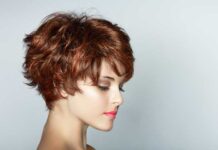
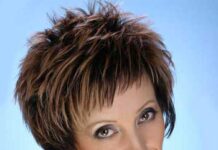
Your choppy layers can be styled in different ways, side-swept bangs, rolled under curls or messy waves that won’t get stuck on every surface they come into contact with. Pair these styles with texture cream like Bumble & bumble Tonic Lotion to bring your hair back to life and give it what often feels like a new lease on life
Medium Length Hair

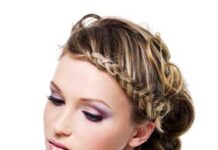
The key with medium-length styles is not to neglect what’s in the middle of your head. You don’t want to go too short up top or you won’t be able to hide what’s going on below, but you also need volume at the crown so try this textured style by adding some height around that part of your head then tucking pieces into buns for more texture or Dutch braids pulled off-center for a little bit less maintenance while still giving what looks polished.
Long Hair
Long hairstyles are perfect if you have natural waves because they’re forgiving when it comes to what your hair wants to do.
Curly Hair
If you have curly hair, it’s a bit more of an investment in time and styling products but the payoff is so worth it because curls look good on everyone. Curls are also very versatile; they can be worn with long or short hairstyles, parted down the middle or off-center, sleeked back into a ponytail for messy waves throughout your mane-the options are endless!
Wavy Hair
Style a wavy hairstyle from root to tip without any one area being overworked, this will create too much texture and may not work well with the consistency of wavier strands. It is best to keep an even balance and use minimal product.
3- Do you have an around, oval, or heart-shaped face?
If you have a round face:
Straight hair is what will work best for you. Round faces are typically large in width but relatively short in height and this can be emphasized by long styles that skim your shoulders or top of your head.
Oval-shaped
The oval shape of this cut makes a bold statement with its simplicity; the depth helps to emphasize what’s already there so it may not need too much styling. The elongated ovals are perfect for those who want that modern, defined look and work well on most hairstyles as they lay just across your shoulder line.

Longer bangs will help add balance to what might otherwise seem like asymmetry while shorter cuts around chin level tend to widen what could appear as being tall and narrow if left alone.
Heart-shaped face
A heart-shaped face is what you would call a near-perfect shape and as such, it can wear most hairstyles.
The more unique your style, the less likely you are to spend time worrying about what other people think. For example some of my favorite hairstyles include “beehives” and long layers that can lengthen short hair styles if left alone.
The most creative hairstyles often have an asymmetrical shape which is why beehive cuts work so well for those with weight resting on top of their head or balancing out a curly hairdo because it will balance out both sets of waves in opposite directions!
 |  |  |
 |  |  |
 |  |  |
 |  |  |
4- What kind of hairstyle do you want to wear – short or long?
This is a question that what length you want your hairstyle to be. If you have long hair, and it’s healthy then there are tons of different styles for the best type of hairstyles for you! There are many ways to make short hair look good too.
5- Is the style in fashion right now for your desired hairstyle?
This is a really good question and one that should be considered first because what’s in fashion now might not even work for you. It doesn’t matter if it looks great on someone else, but what matters is what makes YOU feel your best!
Certain hairstyles always look amazing no matter what the occasion. The most important thing is to find a style that complements your features and then you won’t have to worry about it not being flattering, even with makeup!
6- What color do you want to dye your hair if any at all?
If you’re looking to change your hair color, there are a few things to keep in mind. Expect that the process can take anywhere from an hour to several hours depending on which type of coloring you want and what product is being used.
Conclusion
We have learned that there is no one-size-fits-all when it comes to hairstyles. What looks good on one person may not necessarily work for someone else. It’s important to consider your face shape, hair texture, and personal style when choosing a hairstyle. Don’t be afraid to experiment and try new things, but also remember to listen to your hairdresser’s advice as they are the experts in the field. Additionally, taking care of your hair with proper maintenance and products can greatly enhance the overall look of any hairstyle.
Ultimately, a good hairstyle is not just about following trends or trying to fit in with societal expectations; it’s about finding what makes you feel confident and beautiful. Embrace your unique features and rock whatever hairstyle makes you happy! So go ahead, book that appointment at the salon and unleash your inner hair goddess. Remember, your hair is an extension of yourself and should be treated with love and care. Let it be a reflection of your personality and let it highlight your best features. With the right attitude and knowledge, any hairstyle can look good on you!
——————–
Just added new photo
 |  |  |
 |  |  |