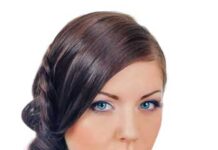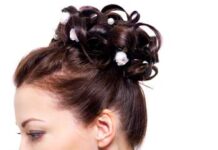




Your wedding day is one of the most photographed days of your life. Between ceremony shots, couple portraits, and dancing the night away, your hairstyle will be on full display from dawn until your last dance. So it’s no surprise that choosing between wearing your hair up or down can feel like a monumental decision.
The truth is, there’s no single “right” answer. The best hairstyle is the one that makes you feel confident, comfortable, and like the best version of yourself. But that doesn’t mean you have to decide in a vacuum. There are plenty of practical factors to consider—from your dress neckline to the weather forecast—that can help guide your choice.
This guide breaks down everything you need to know about wedding hairstyles, from the pros and cons of updos versus down styles to expert tips for your hair trial. By the end, you’ll have a clear framework for making a decision that’s perfect for you.
A
The Case for Wearing Your Hair Down
Verify your facial geometry here
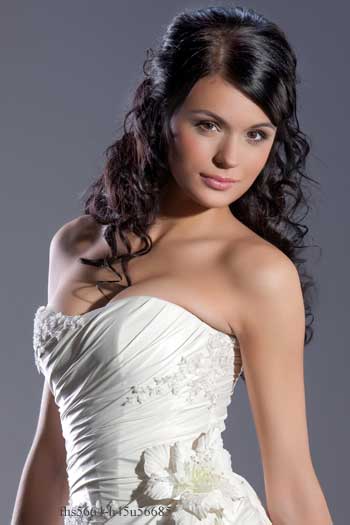
Wearing your hair down brings a sense of softness and romance that many brides love. Whether you opt for flowing curls, loose waves, or a smooth straight style, down hairstyles frame your face beautifully and create a natural, effortless look.
Benefits of Hair Down
It feels like you. Many brides feel most confident with their hair down simply because it reflects their everyday style. If you rarely wear your hair up, you might feel more authentic and comfortable keeping it loose on your wedding day.
It adds drama to understated dresses. If your wedding gown is more minimalist or simple in design, loose hair can provide balance by adding a touch of glamour without overwhelming your overall look.
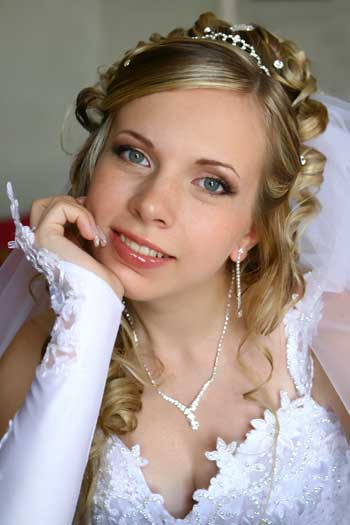
It works beautifully with accessories. Hair worn down pairs perfectly with floral crowns, jeweled headpieces, or simple veils. These accessories can nestle into waves or curls, creating a cohesive, romantic aesthetic.
It’s ideal for cooler months. Wearing your hair down works particularly well for fall or winter weddings when heat and humidity aren’t as much of a concern. You won’t have to worry as much about weather wreaking havoc on your style.
Drawbacks of Hair Down
It requires more maintenance. Down styles need more touch-ups throughout the day, especially if you’re dancing or taking outdoor photos. Wind, humidity, and movement can all affect how your hair looks as the hours pass.
Weather can be unpredictable. Rain, heat, and humidity pose challenges for loose hair. Frizz, lack of volume, and drooping curls are common issues. According to hairstylist Alisha Vik, “For curly and coily hair, this is especially important as heat and sweat is going to cause your hair to poof out if we’re not there on site to fix or smooth it out.”
It may cover dress details. If your gown has intricate back detailing, lace appliqués, or an open back, wearing your hair down might hide these beautiful features in photos.
The Case for Updos
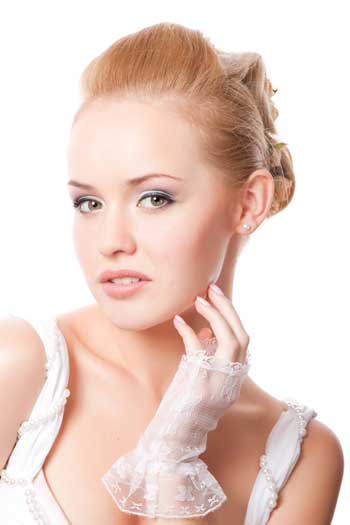
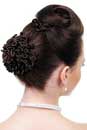
An updo has always been a timeless choice for brides, and for good reason. From sleek chignons to romantic buns with face-framing tendrils, updos offer a polished, elegant aesthetic that photographs beautifully.
Benefits of Updos
They hold up better over time. Updos tend to stay in place longer than down styles, which means you’ll look just as radiant during your last toast as you did walking down the aisle. This durability makes them ideal for long wedding days that stretch from morning prep to late-night dancing.
They keep hair off your face. An updo prevents flyaways from sticking to your lipstick and keeps hair out of your eyes during emotional moments or windy outdoor ceremonies. This practical benefit can’t be overstated.
They highlight your dress. Updos are especially effective for showcasing statement necklines, open backs, or intricate lace detailing on your dress. Celebrity hairstylist Sam McKnight notes, “High necklines are more flattering with hair up, to show off the neck and décolleté, while low necklines can carry hair down, half-up styles, and long lengths trailing down the back.”
They’re weather-resistant. Updos are generally more forgiving regardless of the weather. They help you avoid sweaty roots and ends, prevent volume collapse, and remain more secure even in wind.
Drawbacks of Updos
They may feel unfamiliar. If you rarely wear your hair up in daily life, an updo might not feel authentic to your personal style. You want to feel like yourself on your wedding day, not like you’re playing dress-up.
They can be uncomfortable for thick, long hair. If you have particularly thick or long hair, updos can feel heavy and create tension on your scalp. Hairstylist Kelly recommends a half-up style in these cases for “the best of both worlds.”
They require skillful execution. A poorly executed updo can look stiff or dated. Working with an experienced stylist who understands your vision is essential to achieving a modern, flattering result.
Consider the Best of Both: Half-Up Styles
Can’t decide between up or down? A half-up, half-down hairstyle offers a versatile middle ground. This hybrid style allows you to enjoy the softness of loose curls while keeping hair away from your face. It works with nearly every type of veil or headpiece and suits most dress styles.
Half-up styles are particularly popular because they offer practical benefits (hair off the face, less maintenance than fully down) while maintaining a romantic, flowing aesthetic. They also photograph beautifully from all angles.
Matching Your Hairstyle to Your Dress
Your wedding dress should play a major role in your hairstyle decision. The neckline, silhouette, and embellishments all influence which hairstyle will look most harmonious.
Neckline Considerations
High necklines (crew neck, high collar, halter) are more flattering with hair up. An updo shows off the neck and décolleté, preventing the overall look from feeling too covered or heavy. However, be mindful that stiff, high collars can compete with low chignons.
Low necklines (sweetheart, V-neck, scoop) can accommodate hair down, half-up styles, or long lengths trailing down the back. The lower neckline provides visual balance that works with loose hair.
Off-the-shoulder and strapless dresses offer the most flexibility. Both up and down styles work beautifully, so you can base your decision on other factors like weather and personal preference.
Halter necklines showcase the back and shoulders. To avoid elongating your torso, keeping your hair down is often recommended, though a strategically placed half-up style can also work well.
Dress Detail Considerations
Button backs make wearing hair down tricky. Your hair can get caught in the buttons, and loose locks will also cover this beautiful detail in photos. An updo or half-up style works better here.
Open backs and intricate lace deserve to be seen. If your dress features stunning back detailing, opt for an updo or swept-to-the-side style that keeps the focus on the dress.
Simple silhouettes (slip dresses, minimalist gowns) give you more freedom to choose based on other factors since the dress itself won’t compete with your hairstyle.
Stylist Lisa Weller offers this practical tip: “During the appointment, take a couple of pictures with your hair up as well as your hair down, and show those to your hairstylist.”
Practical Considerations Beyond the Dress
Weather and Venue
Your ceremony and reception location should factor heavily into your decision. An outdoor summer wedding in high humidity calls for different planning than an indoor winter celebration.
Heat and humidity are problematic for all hairstyles, but updos generally fare better. They help you avoid sweaty roots and frizzy ends that plague down styles in muggy conditions.
Wind can make down styles look romantic in photos, but it can also ruin loose updos. If your venue is particularly breezy, consider either a very secure updo or plan to have your stylist available for touch-ups.
Rain calls for protective styling. If there’s a chance of precipitation, an updo provides more security. If you’re set on wearing your hair down despite weather concerns, experts suggest booking your stylist to stay for touch-ups until after the ceremony and photos.
Indoor, climate-controlled venues offer the most flexibility since you won’t have to worry as much about environmental factors affecting your style.
Hair Texture and Length
Be realistic about what your hair can and cannot do. Long hair is heavier and can drop quicker, making volume harder to achieve and maintain. According to McKnight, “You know your hair best, so be honest with what your hair will do as weddings are often long days (and nights).”
If you have very thick, long hair, wearing it all up might create uncomfortable tension. A half-up style can relieve some of that weight while still keeping hair off your face.
For curly and coily hair, humidity and heat are especially concerning. Discuss protective styling options with your stylist that will maintain your curl pattern while standing up to challenging conditions.
Veil and Accessory Integration
Your veil, headpiece, or floral crown needs to work harmoniously with your chosen hairstyle. Share details about any accessories with your hairstylist right away so they can plan accordingly.
Veil placement varies depending on your hairstyle. Updos typically position the veil at the crown or just below, while down styles often place veils at the back of the head. McKnight advises, “Bring it with you to your trial so your hairstylist can determine how to incorporate it into your hair. This includes your veil, too.”
Accessory compatibility is crucial. Many bridal hair accessories like combs and clips don’t work with all hair textures or styles. Your stylist needs to test these items during your trial to ensure they’ll stay secure on the wedding day.
Fresh flowers require special handling. If you want fresh blooms in your hair, hairstylist Kelly recommends buying extra buds from your florist and having your stylist arrange them naturally rather than using pre-made floral pieces.
Wedding Photo Gallery
Working With Your Stylist: The Hair Trial
A hair trial is your opportunity to test different styles, work out timing, and ensure you and your stylist are on the same page. Schedule your trial one to three months before the wedding to allow time for any necessary adjustments.
Preparing for Your Trial
Send inspiration photos ahead of time. Include images of yourself, your dress, and hairstyles you love. Stylist Alisha Vik suggests sharing “at least three to four photos of what they like, both up or down.”
Arrive with clean hair unless your stylist advises otherwise. This gives them an accurate sense of how your hair behaves in its natural state.
Dress appropriately. Wear white or your wedding day color, and choose a top that mimics your dress neckline. This helps you visualize the complete look.
Come alone or with one trusted person. Most professionals recommend limiting guests to avoid confusion and conflicting opinions. If you do bring someone, set boundaries about how they should weigh in.
Questions to Ask at Your Trial
- How long will the styling take on the wedding day?
- Can you accommodate hair for my bridal party?
- Will you be the person doing my hair on the wedding day?
- What’s your backup plan in case of an emergency?
- Which products do you use, and are they hypoallergenic if needed?
- How should I prep my hair before the wedding day (washing, conditioning, etc.)?
- What space and facilities will you need on the day?
- How long will the style last, and what products should I have for touch-ups?
Testing for Durability
Don’t just sit still after your trial. Go out and live in your hairstyle for a few hours. Dance, move around, and see how it holds up to wear. This real-world test will reveal whether the style can withstand a full wedding day.
The Importance of Speaking Up
Your stylist wants you to be happy. If something doesn’t feel right during your trial, say so. Hairstylist Kelly emphasizes, “Don’t be afraid to speak up. We don’t take any of that personally and just want you to be happy.”
The trial is a process of exploration and elimination. You might start leaning toward one style and then change your mind completely once you see it on yourself. That’s exactly what the trial is for.
Planning a Backup Style
Weather can be unpredictable, especially for outdoor weddings. Hairstylists recommend having a backup hairstyle ready in case conditions foil your first choice. Try both your primary and backup options at your trial so you’re prepared for anything.
Questions to Guide Your Decision
Still unsure which direction to go? Ask yourself these questions:
- Does your dress have details you want to highlight? Intricate backs, unique necklines, or lace detailing may be better showcased with hair up.
- Where and when is your wedding? Consider the season, time of day, and whether you’ll be indoors or outdoors.
- How do you normally wear your hair? Staying close to your everyday style often results in the most authentic, comfortable look.
- How much time do you want to spend on touch-ups? If you want a low-maintenance day, an updo typically requires less attention.
- What makes you feel most confident? At the end of the day, this is the most important question. Your wedding hairstyle should make you feel beautiful and like yourself.
Your Hair, Your Choice
Choosing between wearing your hair up or down for your wedding is deeply personal. While practical considerations like weather, dress style, and comfort matter, the most important factor is how you feel.
An updo offers elegance, durability, and the ability to showcase your dress details. Down styles bring softness, romance, and a natural aesthetic. Half-up styles provide a versatile compromise. Each option has merit, and each can be stunning when executed well.
Work closely with your hairstylist, come prepared to your trial, and don’t be afraid to test multiple options. Take photos from all angles, wear the style for a few hours, and trust your instincts. The right choice is the one that makes you feel confident, comfortable, and completely yourself.
As Sam McKnight wisely notes, “What it comes down to is choosing a hairstyle that will leave you feeling confident, beautiful, and like yourself. That’s the most important thing.”
Your wedding day is about celebrating your love story. Choose a hairstyle that honors who you are, complements your style, and lets you enjoy every moment without worry.